sintered filter tube
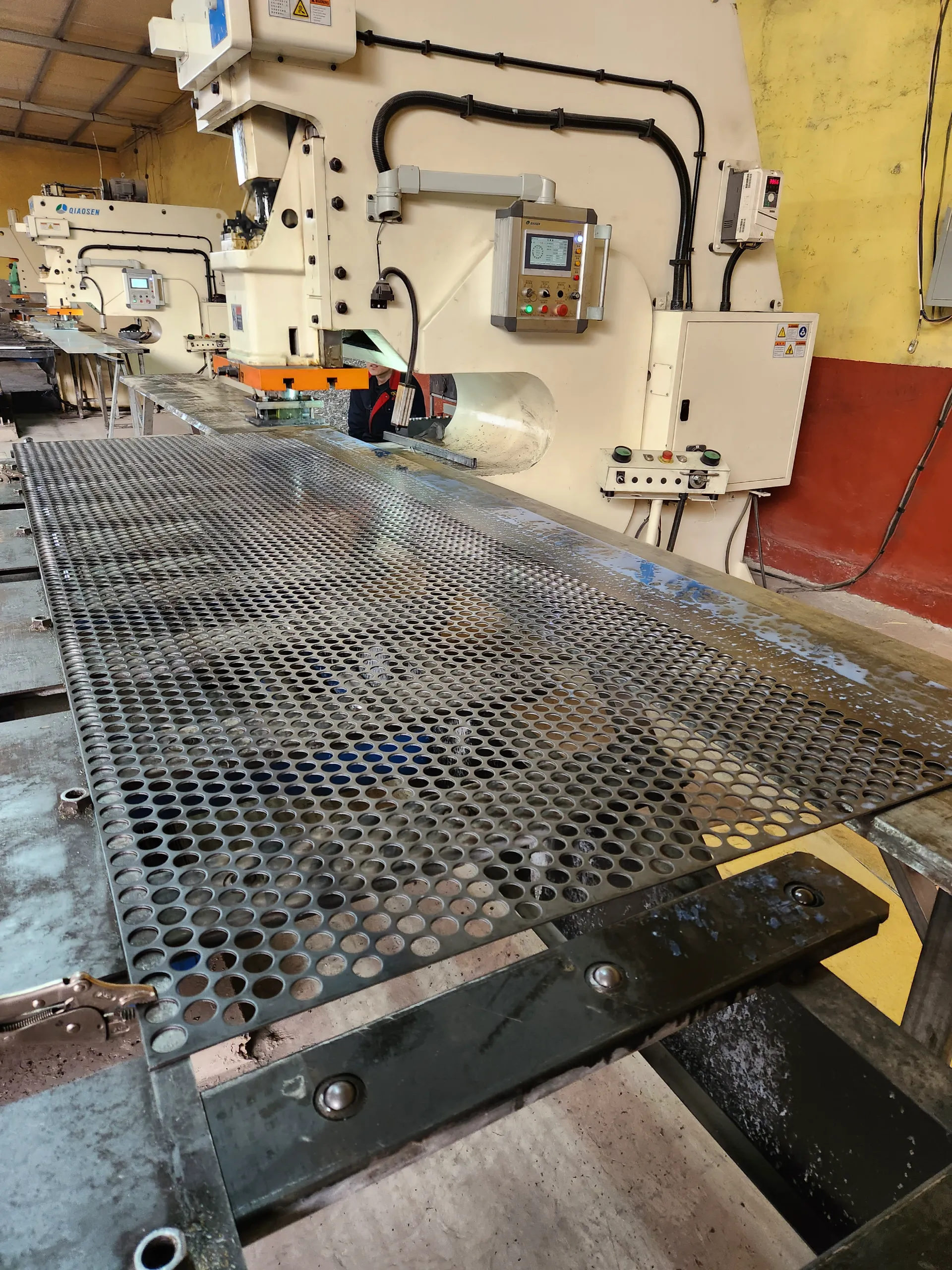
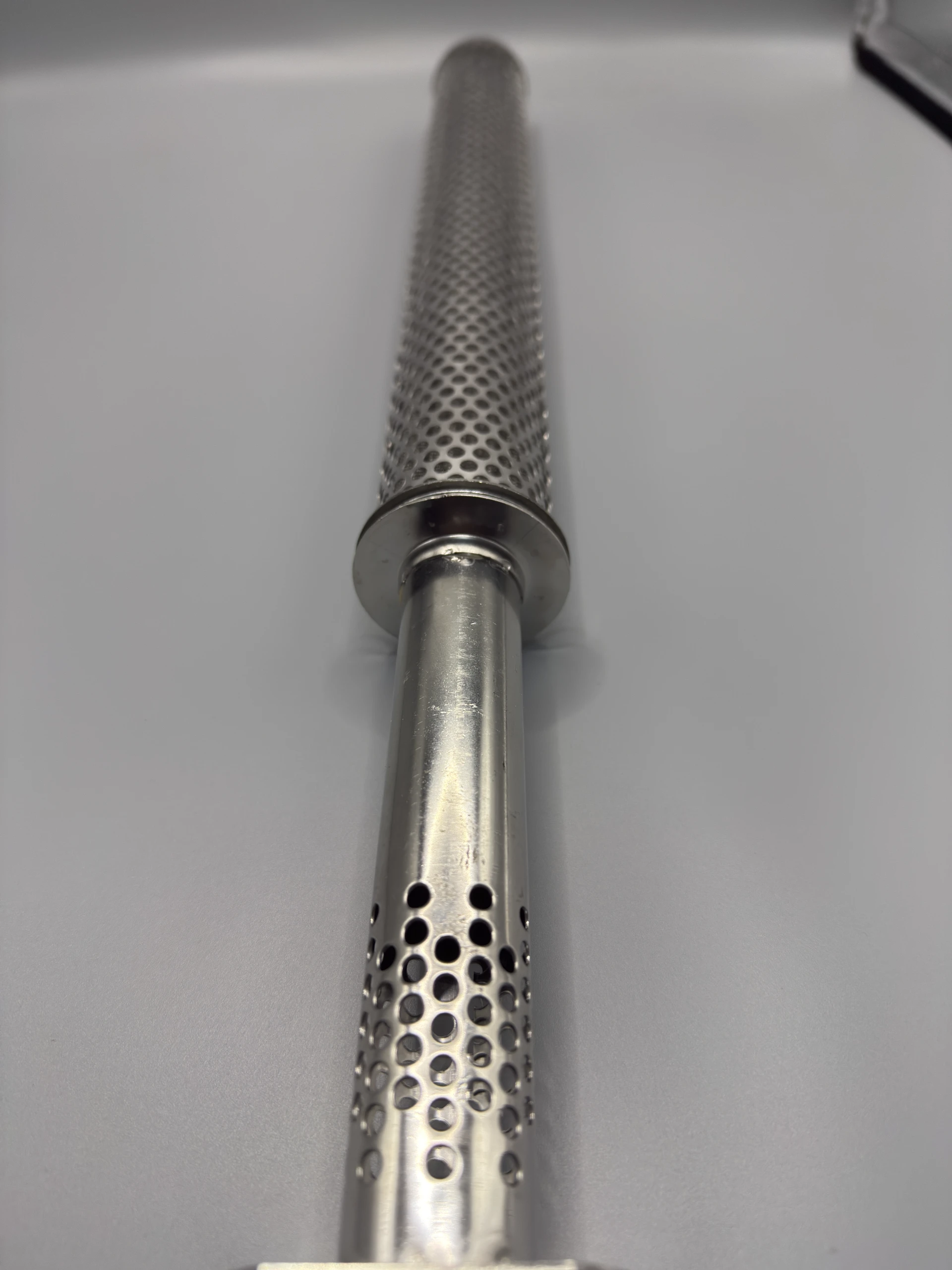
Spiral Welded Perforated Mesh Tube: field notes from the shop floor If you work with filtration, acoustics, or well screens, you’ve probably heard someone rave about the spiral perforated tube . To be honest, I was skeptical years ago—then I watched a muffler line slash backpressure without compromising strength. Since then, I’ve toured plants, chatted with QA teams, and—yes—banged a few samples on a vice. It’s a simple-looking product with surprisingly deep engineering. What’s trending now Two clear shifts: tighter hole tolerances (Cpk-driven) and corrosion strategies that go beyond basic galvanizing—think 316L or hybrid coatings for coastal/offshore. Many customers say they also want traceability and quick-change tooling for rapid pattern swaps. It seems that supply chains have finally caught up after the bottlenecks of 2021–22. Typical specs (real-world, not brochure-perfect) Product Spiral Welded Perforated Mesh Tube Materials SS304/316L, Q235 carbon steel, galvanized steel (others on request) OD range ≈19–219 mm Length Up to 6 m (straightness ±0.5 mm/1 m) Thickness ≈0.6–3.0 mm Perforations Round, slot, oblong, hex; ø0.5–10 mm; open area ≈8–40% Weld Helical seam, TIG/MIG; spiral pitch ≈20–60 mm Finish Pickled/passivated, HDG, powder topcoat (optional) Service life ≈3–10 years (environment-dependent) Process flow and QC (how it’s actually made) Coil selection (mill certs) → slitting → CNC perforation (turret press or laser for micro-slots) → rolling to spiral → helical seam welding → calibration/straightening → deburring/edge dressing → passivation/galvanizing → NDT and gauging. Tests often include dimensional CMM checks, weld dye-penetrant, burst/collapse, and salt-spray to ISO 9227. For stainless, chemistry aligns with ASTM A240; for oilfield versions, materials may be screened to ISO 15156/NACE MR0175. Where it’s used (and why) - Silencers/mufflers: evenly distributed backpressure, lower tones without choking flow. - Water intake screens and well screens: robust sand control; pair with wrap wire if needed. - Polymer extrusion and pelletizing: rigid support for filter media; stable differential pressure. - Dust collection and HVAC: frame for cartridges; nice balance of open area and strength. - Grain aeration and food processing: gentle airflow, easy cleaning. Short data point: with 30% open area and 1.2 mm wall, ΔP measured ≈18 kPa at 2,000 L/h on a 60 mm OD sample; collapse strength clocked ≈1.2 MPa; after 96 h ISO 9227, no red rust on 316L and HDG samples (lab results may vary). Vendor snapshot (what buyers quietly compare) Vendor Hole accuracy Weld method Lead time Certs Notes CC Metal Mesh (Anping, Hebei) ≈±0.15 mm typical TIG/MIG helical 10–20 days ISO 9001 Strong custom patterns, small MOQ options Vendor A ≈±0.2 mm MIG 20–30 days ISO 9001 Standard patterns, competitive pricing Vendor B ≈±0.1 mm (laser) Laser seam + TIG tack 15–25 days ISO 9001, IATF 16949 Premium, higher MOQ Customization and quick wins CAD-to-tool in ≈48–72 hours for most hole patterns; slot widths down to ≈0.3 mm via laser; optional end-caps, swaging, and media wraps. Many buyers ask for barcode traceability and heat-number stamping—worth it for audits. Mini case studies Oil/water well screen: 316L, 2 mm slots, 40% OA, helical seam. Field crews reported 11% lower silt ingress month-over-month versus a straight-seam alternative. Location withheld, deltaic basin. Automotive muffler line: Q235 + HDG, ø3 mm round, 28% OA. Dyno tests showed backpressure down ≈7% with a marginal 1 dB change—exactly what they wanted. Practical notes Origin: Hou Zhuang Industry Zone, Anping County, 053600, Hebei Province, China. Many customers say the response times are quick; lead times vary with coatings. If you request a spiral perforated tube for sour service, specify ISO 15156 early. For acoustics, share your target frequency band—pattern selection matters. Standards and references ISO 9001:2015 Quality management systems — Requirements. https://www.iso.org/standard/62085.html ASTM A240/A240M – Standard Specification for Chromium and Chromium-Nickel Stainless Steel Plate, Sheet, and Strip. https://www.astm.org/a0240_a0240m-20.html ISO 9227 – Corrosion tests in artificial atmospheres — Salt spray tests. https://www.iso.org/standard/63543.html API 5CT – Specification for Casing and Tubing (context for oilfield applications). https://www.api.org/products-and-services/standards NACE MR0175/ISO 15156 – Materials for use in H2S-containing environments. https://www.iso.org/standard/62153.html






![$item[alt]](https://www.ccmetalmesh.com/images/cc-7691.webp "$item[title]")